As a fantasy writer, I spend a lot of time in long-form worlds: histories, legacies, slow-burn tensions. But short stories offer something else entirely. They don’t expand outward; they press inward.
And I think that’s why we love them.
Why Do We Love Short Stories?
Short stories don’t ask for a long commitment, but they do demand full attention. They drop us into a moment already in motion and trust us to keep pace. There’s no easing in, no excess explanation, only what matters. That immediacy creates intimacy for the reader and requires discipline from the writer.
What makes short stories so powerful is also what makes them difficult to write. They must carry weight in very little space. Every sentence has to do more than one job: reveal character, shape atmosphere, and push meaning forward. There’s no room for wandering or indulgence. Depth has to be earned quickly, or not at all. I used to think short stories would be easier to write than novels—until I realized how unforgiving they are. There’s nowhere to hide. If a sentence doesn’t carry its weight, the story collapses.
Short stories allow writers to explore ideas that might be too fragile, unsettling, or unresolved to sustain over a novel. They leave space for ambiguity. Not everything needs to be explained. Sometimes recognition, rather than resolution, is enough. A single image often has to do the work of an entire chapter: a locked door, a stain on the wall, a sound that won’t stop repeating. Meaning has to arrive fast, and it has to stay.
That trust, between writer and reader, is what makes the form so enduring. A short story doesn’t need to solve itself. It only needs to be felt.
What Makes a Good Short Story?
A strong short story is built on intention and control. Here’s what I’ve found matters most:
- Focused Theme or Central Idea: Every effective short story knows what it’s about, even if it never says it outright. Whether the theme is grief, temptation, fear, or transformation, every scene and detail serve that core. Nothing is accidental.
- Economy of Language: In short fiction, every sentence matters. Actions reveal character. Setting establishes mood. There’s no room for excess, which means what remains feels deliberate and alive.
- Meaningful Change: A good short story ends with a shift. It may be subtle, and often it’s internal: a realization, a surrender, a moment of clarity—but by the final line, something has changed. The power of the form lies in the moment after which nothing can remain the same.
- Trust in the Reader: The best short stories resist over-explanation. They allow space for interpretation, trusting the reader to connect what isn’t spelled out. Some of the most powerful short stories are built around what isn’t said.
- An Ending That Lingers: A strong ending doesn’t neatly resolve everything. The best endings don’t close a door—they leave it slightly ajar. They reframe what came before and linger long after the final line.
Scholarly Context: Folklore and Oral Tradition
As Walter J. Ong discusses in Orality and Literacy, oral storytelling traditions relied on compression, repetition, and symbolic imagery to preserve meaning. Many early folktales and myths were necessarily brief, shaped by the need to be remembered and passed on across generations. These same techniques continue to shape short fiction today, especially in gothic and dark fantasy, where atmosphere and suggestion carry much of the narrative weight. In this way, modern short stories inherit the structure of ancient storytelling forms.
Why Short Stories Work So Well for Dark Fantasy and Gothic Fiction
Short stories are especially powerful in dark fantasy and gothic fiction. These genres thrive on atmosphere, suggestion, and unease. They don’t rely on elaborate systems or explanations to be effective. In fact, too much clarity can soften their impact.
A gothic short story might hinge on a single image: a decaying house, a forbidden room, a warning ignored. A dark fantasy story may focus on one act of magic and its cost. In these stories, implication does more work than exposition. These stories often end at the moment the cost becomes unavoidable, before it can be softened or undone.
Folklore understands this instinctively. Many traditional tales are brief, unsettling, and unfinished. They weren’t meant to comfort; they were meant to endure. Modern dark fantasy and gothic short fiction carry that same legacy.
As a writer, short stories let me lean into mood over mechanics and consequence over spectacle. They allow me to end a story at the moment of reckoning, rather than explaining what follows.
And as a reader, those are often the stories I carry longest.
Short Fiction in Action
1. “The Yellow Wallpaper” by Charlotte Perkins Gilman is often read as psychological or gothic fiction, but the story carries a distinctly dark fantasy quality through its creeping unreality. Gilman doesn’t rely on overt magic or spectacle; instead, the horror unfolds through repetition, confinement, and a slow transformation that feels inevitable and deeply unsettling. By the final lines, the shift is complete. The mystery has not been solved, but the narrator has crossed a threshold she cannot return from.
Why it works:
- Uses a confined setting to intensify psychological tension
- Turns an ordinary object into a symbolic, almost living presence
- Blurs the line between reality and imagination without explaining it
- Builds dread through repetition
- Centers the story on an internal transformation instead of external plot
- Ends with a shift that feels inevitable rather than resolved
2. “The Black Cat” (my personal favorite) by Edgar Allan Poe is a tale stripped to its bones. Whether the supernatural is real or imagined doesn’t matter. It is often labeled gothic horror, but it also works as dark fantasy because it operates in the space where reality, morality, and the supernatural blur—without ever fully explaining themselves.
Why it works:
- The supernatural is ambiguous, not explained
- Escalating dread in a tight narrative space
- Reality is destabilized
- The story hinges on moral transgression
- An external force mirrors internal corruption
- Fate closes in/ending shaped by consequence
3. “The Lottery” by Shirley Jackson makes a great short story because it does exactly what the form does best: it uses restraint, implication, and inevitability to deliver maximum impact in very little space. The village follows a ritual whose origins are forgotten but whose authority is absolute. Like many dark fantasy worlds, the rules are unquestioned, tradition overrides empathy, and the cost is paid by an individual for the supposed good of the whole, and where the cost of obedience is devastating.
Why it works:
- Centers on ritual and tradition as an unseen, governing force
- The ordinary setting heightens the horror
- Operates under a moral system that feels ancient and inescapable
- The tension is structural, not dramatic.
- Ends at the moment of consequence/creates a lasting shift
4. “The Fall of the House of Usher”, another piece by Edgar Allan Poe, is a classic example of gothic short fiction at its best. The story centers on decay: of a house, a family line, and the mind itself. Poe uses setting as an extension of psychology, creating an atmosphere so heavy it feels alive. The story doesn’t explain everything; instead, it builds dread through suggestion, symbolism, and emotional unease. By the end, the collapse feels inevitable, which is a hallmark of strong gothic storytelling.
Why it works:
- It is organized around one central idea
- Heavy emphasis on mood and setting
- Setting functions as character
- Psychological tension over action
- Symbolism replaces exposition
- The pacing is deliberate and controlled
- An ending that feels like a reckoning
5. “The Legend of Sleepy Hollow” by Washington Irving is a strong short story because it balances atmosphere, character, and ambiguity with remarkable control—delivering a complete, memorable experience without ever needing to explain itself fully. The tale feels like something told aloud and retold over time, complete with exaggeration and local rumor. That folkloric quality gives it durability and makes it especially effective in a short form. Like the best short stories, it leaves the final meaning in the reader’s hands.
Why it works:
- It is built around a single, cohesive mood
- The conflict is simple but effective
- Character is exaggerated by design
- The supernatural is left deliberately ambiguous
- The story ends with speculation
- It draws directly from oral storytelling traditions
Why Short Stories Still Matter Today
In a world that moves way too fast, short stories mirror how we experience life: through small moments, sudden realizations, and choices you don’t always see coming. They’re a reminder that one scene can say everything it needs to, and that a story doesn’t have to be long to feel finished. For writers, they refine craft; for readers, they invite reflection. And for both, they prove that lasting stories don’t depend on length.
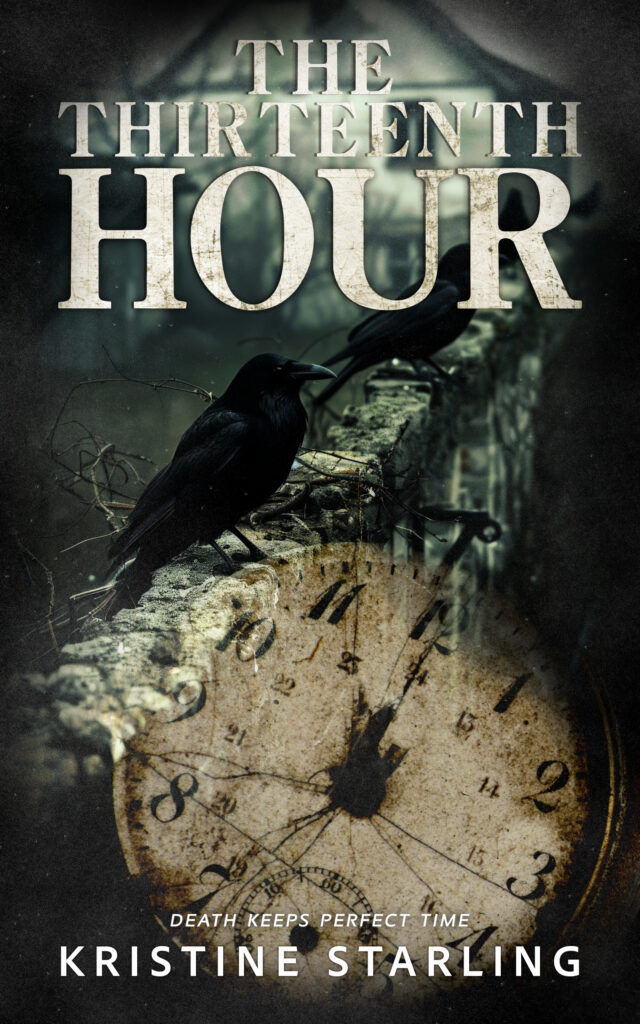
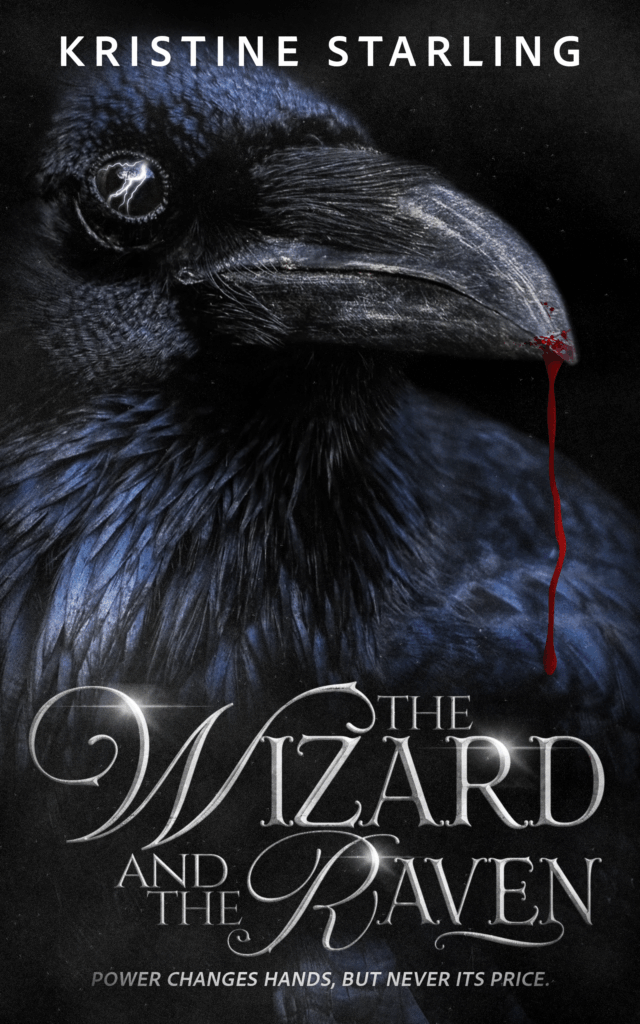
I think that’s part of why I love writing them. I’ve published two short stories: “The Thirteenth Hour”, which blends gothic horror and dark fantasy in a haunting story about time, memory, and consequence, and “The Wizard and the Raven”, an atmospheric, folklore-tinged tale for readers who enjoy gothic moods and quiet magic. Both of them let me explore ideas that might not stretch into a novel but still leave an impression.
And sometimes, that’s all a story needs… a few powerful pages and an ending that stays with you longer than you expect.