Short Story: The Thirteenth Hour

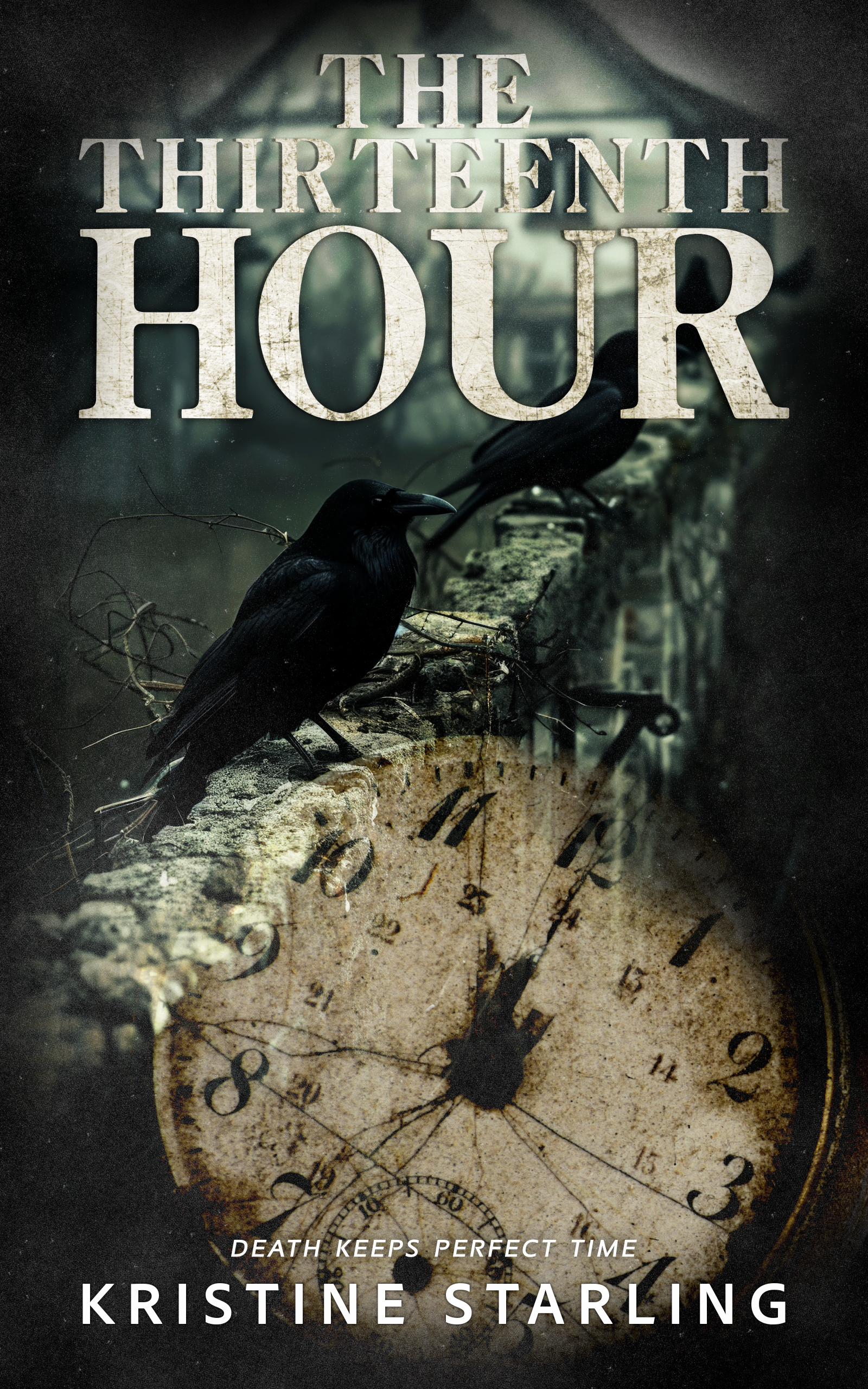
The Thirteenth Hour

Death keeps perfect time. Blurb: A weary traveler arrives in the forgotten village of Blackwood seeking only a night’s rest. But dusk comes too early, and as reality begins to unravel, he realizes he has walked these streets before. The bell tower tolls, and the truth of his presence in Blackwood draws near, forcing him to confront a debt that can never truly be repaid. Blending gothic horror and dark fantasy, The Thirteenth Hour explores a haunting tale of time, memory, and consequence. Perfect for readers who enjoy atmospheric supernatural suspense, eerie small-town mysteries, and psychological horror with a twist….

Continue reading

The Power of Short Stories

The Power of Short Stories

As a fantasy writer, I spend a lot of time in long-form worlds: histories, legacies, slow-burn tensions. But short stories offer something else entirely. They don’t expand outward; they press inward. And I think that’s why we love them. Why Do We Love Short Stories? Short stories don’t ask for a long commitment, but they do demand full attention. They drop us into a moment already in motion and trust us to keep pace. There’s no easing in, no excess explanation, only what matters. That immediacy creates intimacy for the reader and requires discipline from the writer. What makes short…

Continue reading

The Wizard and the Raven: Power Changes Hands, but Never its Price

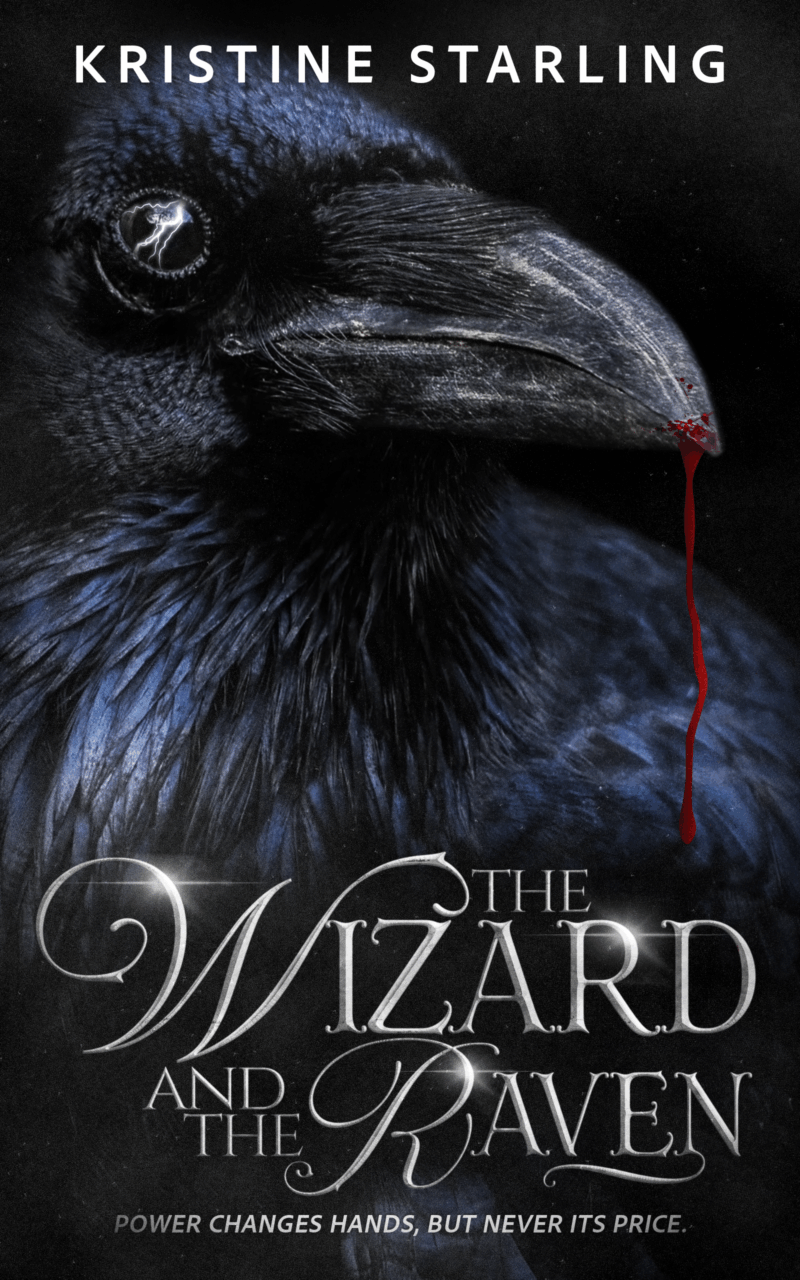
The Wizard and the Raven

I enjoy fairy tales that feel like warnings. With this story, The Wizard and the Raven, I set out to capture that mood: something lyrical and eerie, something that reads like it’s been told before, and will be told again. The Wizard and the Raven explores longing, transformation, and the price we pay to become someone—or something else. I wrote it for readers who love dark fairy tales, enchanted objects, and the horror of repetition. Blurb: On a dark and stormy night, a raven perches on a rotting branch. His eyes are fixed on an old tower. But he is…

Continue reading

Poe’s Brutes as Mirrors of Madness

Poe's Brutes

Moonlit cellars and midnight studies are the stages Edgar Allan Poe sets for the uneasy quarrel between instinct and reason. In his tales, the boundary between man and beast thins to the width of a shadow: a raven croaks a single, damning word; a cat’s steady gaze needles a drunkard’s conscience raw. Poe does not grant these creatures speech or philosophy; he grants them presence. They prowl at the edge of the narrator’s vision, until guilt flares into terror and the mind fractures under its own weight. Inside Edgar Allan Poe’s haunted mind, the very word brute snarls like a feral beast. It names those…

Continue reading