Poe’s Brutes as Mirrors of Madness
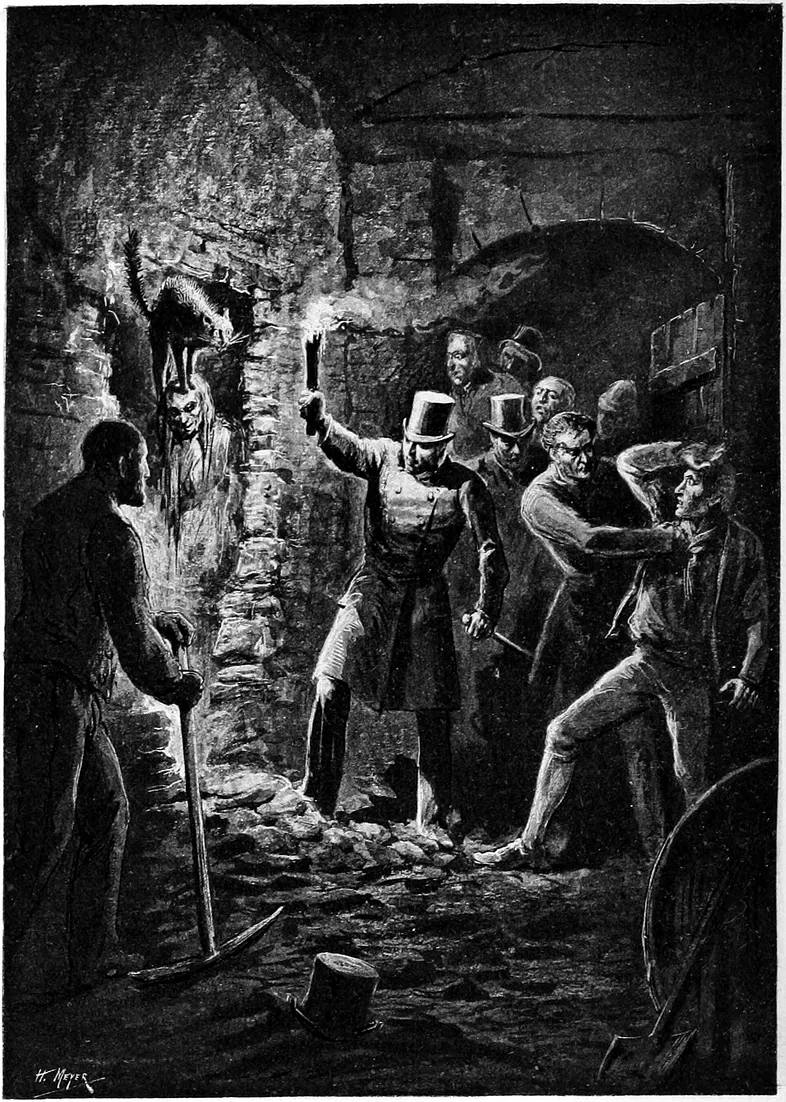
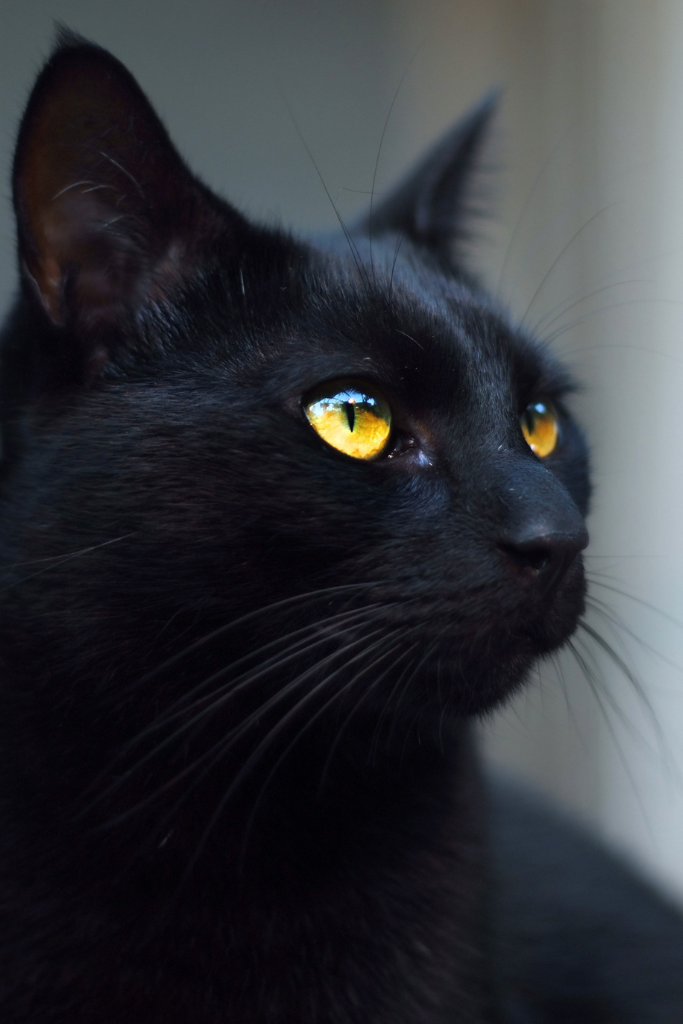
Moonlit cellars and midnight studies are the stages Edgar Allan Poe sets for the uneasy quarrel between instinct and reason. In his tales, the boundary between man and beast thins to the width of a shadow: a raven croaks a single, damning word; a cat’s steady gaze needles a drunkard’s conscience raw. Poe does not grant these creatures speech or philosophy; he grants them presence. They prowl at the edge of the narrator’s vision, until guilt flares into terror and the mind fractures under its own weight. Inside Edgar Allan Poe’s haunted mind, the very word brute snarls like a feral beast. It names those…